When Is It Time to Launch Your Own Cosmetics Brand? From Retail Store to Private Label
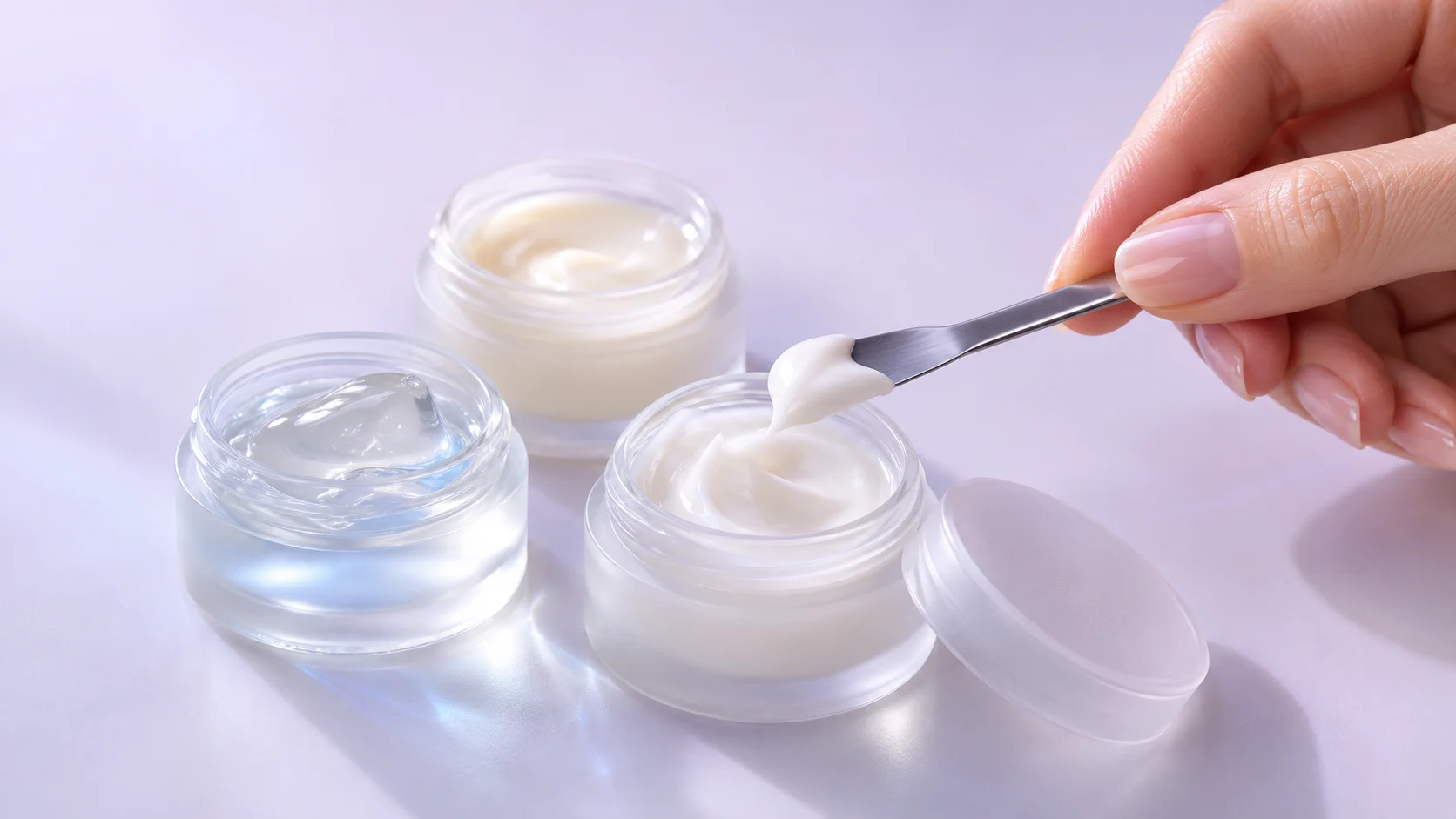
Launch my own cosmetics brand! At some point, a cosmetics store owner may think: “I see what my customers buy. Why not create my own range?” It is a natural question for an entrepreneur who knows their assortment well and speaks with customers regularly.
But how do you know whether you have a solid foundation for a launch? In my work, I look first at how well the entrepreneur understands the future customer and whether they are ready to manage their own product after it has been manufactured.
Store Count Is Only Part of the Picture
When the owner of two or three stores asks me about launching a brand, I first ask where they operate. Yakutia or the Krasnodar region? Climate, lifestyle, and customer habits can influence expectations for a product's texture, packaging, and use.
We then discuss what is happening in their stores. Which products do customers buy again? What are people looking for but not finding? What do they complain about? Which products need a detailed explanation from sales staff, and which do customers choose on their own?
These entrepreneurs have an advantage: direct access to customer feedback. Combined with sales data, it can provide a foundation for product development.
The number of retail locations alone does not show whether the business can sell through a production batch.
Customers Keep Expressing the Same Need
A recurring request that the existing assortment does not fully address is a good reason to consider a private-label brand.
For example, customers may like a product's performance but dislike its fragrance. Or they may want a lighter texture, a convenient travel format, or a different size. These observations are worth recording and comparing with sales.
An individual request still needs validation: how many people share the need, what do they currently use, and what price do they consider acceptable?
At this stage, it is important to describe the product's purpose in the customer's language. Instead of a general “I want a good shampoo,” explain who it is for, what result they expect, and what disappoints them about available products. That gives you a concrete starting point for a development discussion.
You Know How You Will Introduce the Product
Selling an established brand and launching your own involve different tasks. A product customers already recognize may have a reputation, reviews, and existing demand. A new product still has to earn those.
I would ask an entrepreneur to picture their future packaging on the shelf and answer a few questions:
Who will notice it first?
How will a sales associate explain its purpose and properties?
Why will a customer decide to try it?
How will you collect feedback after purchase?
How will you remind customers about the product when it runs out?
A business with regular customers, its own communication channels, and a team experienced in managing its assortment has a useful foundation for a launch. But familiarity with the store still needs to become trust in the new product.
You Are Ready to Start with a Focused Range
The desire to launch a large range immediately is understandable: you want the brand to feel complete. Yet every additional product creates separate work, from selecting samples to preparing content and training sales staff.
For some projects, it is wiser to start with one or two products for which demand has already been validated. It is also useful to understand how the range could expand later.
The initial range should fit the business's capabilities: demand, budget, and the team's capacity to manage the launch.
Someone Is Responsible for the Project
Before development begins, decide who will collect sample feedback, approve the formula and packaging, sign off on the design, and make decisions.
In my original interview, I discussed a problem that affects even large companies: approvals can take months. During that time, component availability and production schedules change, so initial timelines may need to be revised.
Readiness for a private-label brand also shows in how the work is organized. The project needs a responsible person, a clear approval process, and time allocated in the team's schedule.
When It Is Better to Postpone the Launch
I would not rush into production if the only goal is to put your name on the packaging. First, establish who needs the product, validate the concept, and assess your ability to sell it.
A pause can also be useful when the entire available budget would go toward manufacturing the batch, leaving marketing and repeat orders unfunded. We will explore the economics of a launch in a separate article.
To me, readiness for private label combines knowledge of the customer, a clear purpose for the product, and the business's ability to bring it to market. That is where a meaningful manufacturing discussion begins.
Planning your own cosmetics brand? At QTB Korea, we start by discussing your audience, market, and concept. These inputs help us select manufacturing options, formulas, and packaging that fit the project.