How to Launch Your Own Cosmetics Brand: What to Plan Before Your First Production Run
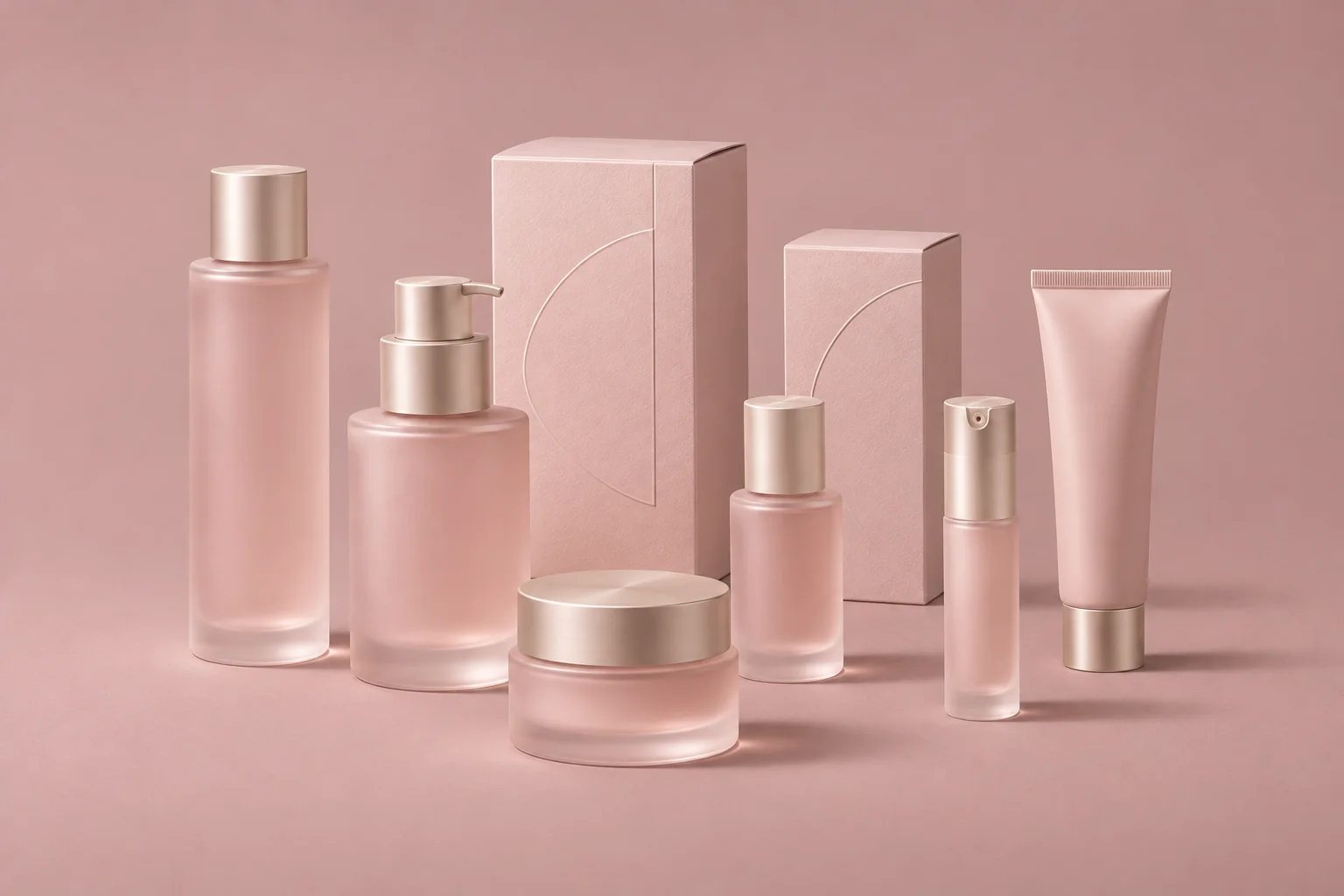
Launching a cosmetics brand often starts with a product idea: a shampoo with the perfect fragrance, a cream with a favorite texture, or a beautifully designed skincare range. But before choosing a formula and packaging, there is a question to answer: who will buy these products, and how will you sell them?
Over years of working with Korean manufacturers, I have learned that planning for sales needs to begin alongside product development.
Start with the Customer
“I want high-quality cosmetics” is an understandable ambition, but it is not enough for a development brief. You need to define who the product is for, what need it addresses, and why a customer would choose it over other options.
Store owners, salon owners, and established brands already have a valuable source of information: their customers. Recurring questions, feedback, and sales data can reveal a need worth developing a product for.
The more precisely you define that need, the easier it becomes to prepare a product brief and choose the formula's properties, texture, fragrance, fill volume, and packaging.
Budget for the Entire Journey to a Sale
Manufacturing is only part of the budget. Beyond the formula and the finished batch, you need to account for packaging design and decoration, testing, documentation for your target market, logistics, storage, and marketing.
If you plan to sell through online marketplaces or distributors, their fees and commercial terms must also be included.
I recommend estimating the following in advance:
how much each sale will leave after all expenses;
how long you expect it to take to sell the first batch;
the budget needed to acquire customers;
when you will need to pay for a repeat order;
what happens if sales are slower than expected.
Your funding needs to cover the product's entire journey to the customer and support the brand's continued operation.
Align Order Quantity, Packaging, and Price
The minimum order quantity depends on the manufacturer, product category, and packaging. The formula manufacturer and the bottle supplier may have different minimum quantities.
A small order therefore does not always mean a small investment. Equipment setup, packaging decoration, and other costs will be spread across fewer units.
For some first launches, an existing formula and standard packaging are suitable. In other cases, custom development makes sense from the start. The decision should reflect your budget, brand concept, and intended retail price.
Allow Time for Product Evaluation
A sample lets you assess the texture, fragrance, and feel during use. After adjustments, further testing and formula–packaging compatibility checks may be needed.
Even a familiar bottle needs to be assessed with the specific formula it will contain. Include these steps in your schedule before setting a sales launch date.
Think About the Second Order
The first launch gives you an opportunity to test demand and collect feedback. It often makes sense to begin with one or two products that meet a clear need, while planning how the range could develop later.
Initial sales alone do not show how sustainable the brand will be. You need to understand whether customers come back after the first advertising campaign ends.
My own experience launching brands has taught me to look several steps ahead: how the product will be sold, why customers will buy it again, and how the business will fund its growth.
Planning to manufacture cosmetics in Korea? At QTB Korea, we help connect your product concept with manufacturing capabilities: selecting formulas and packaging, arranging sample development, and coordinating the project. For an initial discussion, it helps to prepare an overview of your audience, target market, intended products, and approximate budget.