The Future of Cosmetics Manufacturing: What Will Change for Brands Over the Next 3–5 Years?
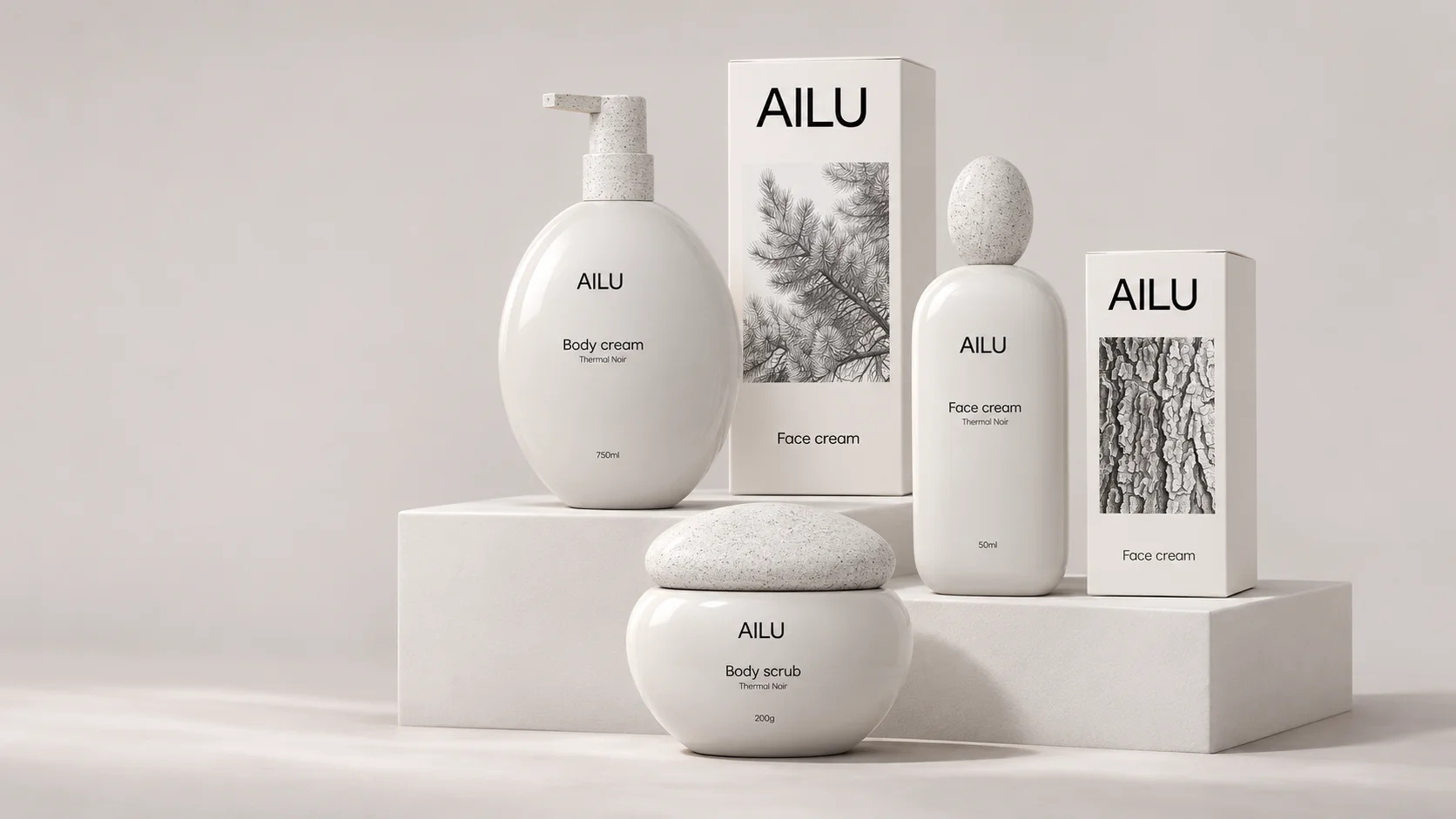
Developing a concept, selecting a formula, and visualizing packaging more quickly: these capabilities are already influencing how cosmetics brands work. But does that mean manufacturing will become significantly cheaper, batches will shrink, and launches will take only days?
In the previous article, we explored the practical value of automation, testing, and AI. Here, I share my outlook for the next 3–5 years. This is a forecast based on my work with Korean manufacturers, rather than a promise of identical conditions for every project.
Product Preparation Will Become Faster
I expect it to become easier to select a formula base, find packaging, and prepare initial design options. Digital tools will help teams compare solutions and discuss them more quickly.
For a brand, this creates an opportunity to identify constraints earlier and give the manufacturer a clearer brief. However, the speed of concept preparation needs to be distinguished from the time required to produce a finished batch.
Sample delivery, texture evaluation, adjustments, and approvals will still take time. Accelerating the beginning of a project is useful, but the overall launch still needs to be planned around its actual stages.
Automation Does Not Guarantee a Lower Final Price
I believe manufacturing will become more automated. This can help factories perform repetitive operations and handle production volumes. But I would not promise that cosmetics will necessarily become cheaper.
Raw materials, packaging, energy, and logistics all influence the final cost. In our work, we already receive notices of packaging price increases. Savings at one stage can be offset by expenses at another.
When planning the next order, it therefore helps to reconfirm the terms. A previous price provides a reference, but it does not replace a current quotation for the specific quantity and scope.
There Will Be More Options for Smaller Batches
I expect more opportunities for smaller launches, primarily through existing formulas and standard packaging.
This approach reduces the number of elements that need to be developed from scratch. However, choices will still come with constraints: the available assortment, decoration options, and supplier terms.
Custom development, an unusual bottle, or complex decoration will continue to require separate preparation and investment. Clients will need to balance speed, originality, and price.
A small batch should fit the brand's purpose. A low minimum order alone does not answer questions about unit cost, product properties, or the possibility of repeat production.
Ready-Made Ranges Will Help Brands Move Toward Sales Sooner
We are working in this direction too, preparing Brand in Box: a thoughtfully developed, ready-made product range for clients.
The idea is to let a brand start with a prepared product solution and devote more attention to sales and marketing. Specific launch timelines and terms will still need to be agreed based on the chosen range, packaging presentation, and target market.
This format may appeal to entrepreneurs who prioritize bringing a focused assortment to their audience sooner over developing every product from scratch.
But a ready-made range does not remove the brand owner's responsibility to engage customers. Positioning, content, sales channels, and feedback remain part of their work.
International Supply Chains Will Remain Important
In my view, factories will increasingly seek alternative suppliers and develop their use of local components. At the same time, I do not expect complete independence from international supplies: a single manufacturing chain involves too many companies and materials.
For a brand, the practical questions matter: how readily available the selected raw materials are, what could affect repeat-order timelines, and which alternatives can be discussed if supply is disrupted.
A component replacement cannot be assessed on a similar name alone. The change needs to be discussed with the laboratory and undergo the necessary checks for the product.
What Will Stay Largely the Same?
Even with faster development, brands will still need to understand their customers, assess their economics, and maintain consistent quality.
Technology will not explain on an entrepreneur's behalf why their audience needs this particular product. Nor will a fast first launch alone secure repeat purchases.
I would prepare for the future through several practical decisions:
Define a clear purpose for every product.
Distinguish concept, development, testing, and production timelines.
Select an assortment that fits sales capabilities.
Discuss repeat-production terms from the outset.
Reserve resources for marketing and customer relationships.
To me, progress in manufacturing means being able to execute a well-founded idea more quickly and precisely while preserving quality. A brand's sustainability will still depend on whether customers want to return for its products.
Planning your own cosmetics range? At QTB Korea, we help compare ready-made solutions and custom development with your market, budget, and desired launch timeline in mind. Tell us about your audience and the products you want to offer: these details provide the foundation for discussing a suitable approach.